Cabrogal Country
Before the street, there was Country.
Cabramatta stands on Cabrogal Country. This story begins with respect for the people who have cared for this place across generations.
Cabramatta stands on Cabrogal Country. This story begins with respect for the people who have cared for this place across generations.
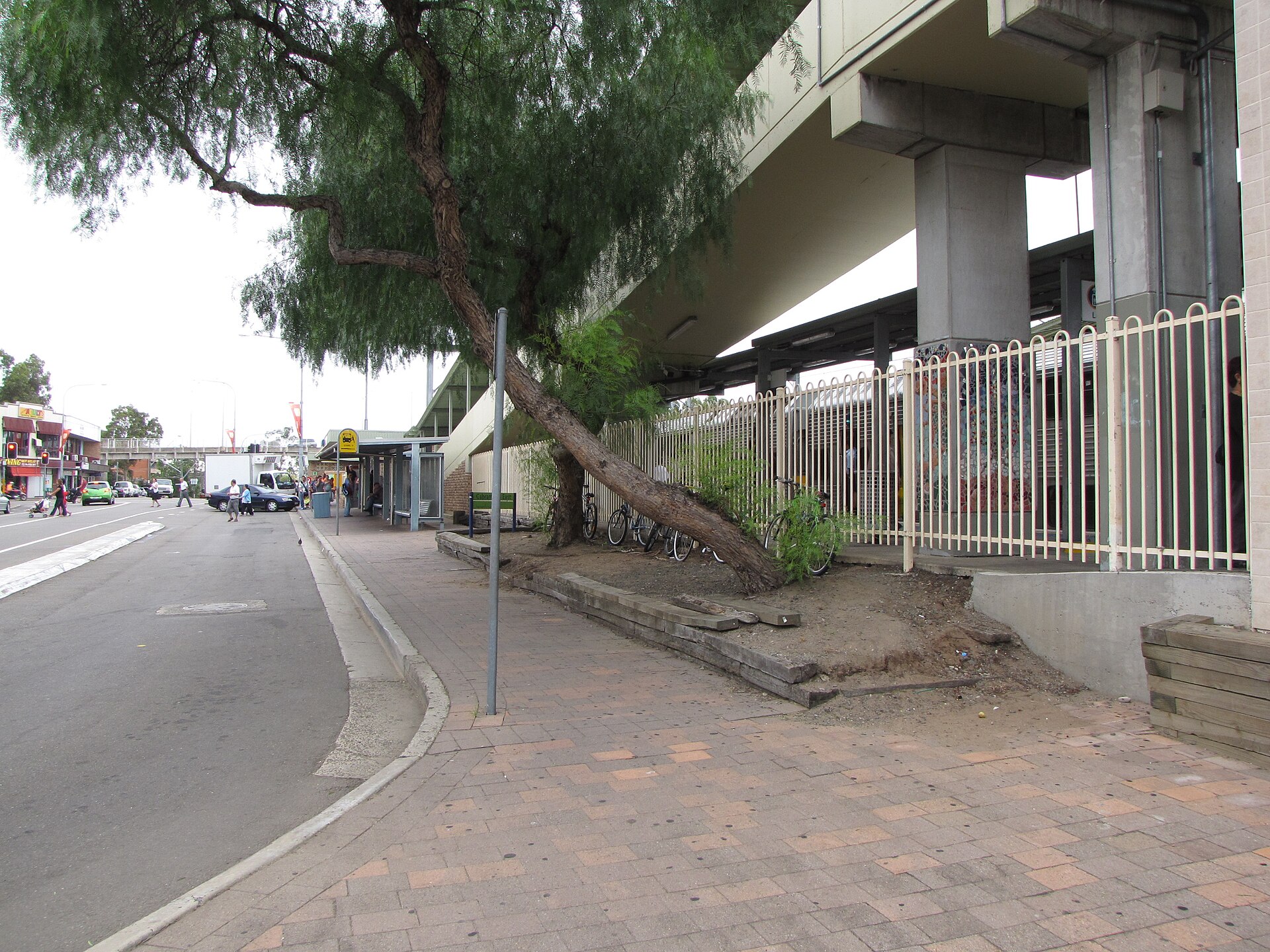
The line arrived in 1856. Cabramatta station followed in 1870, turning farms and timber country into a connected village.
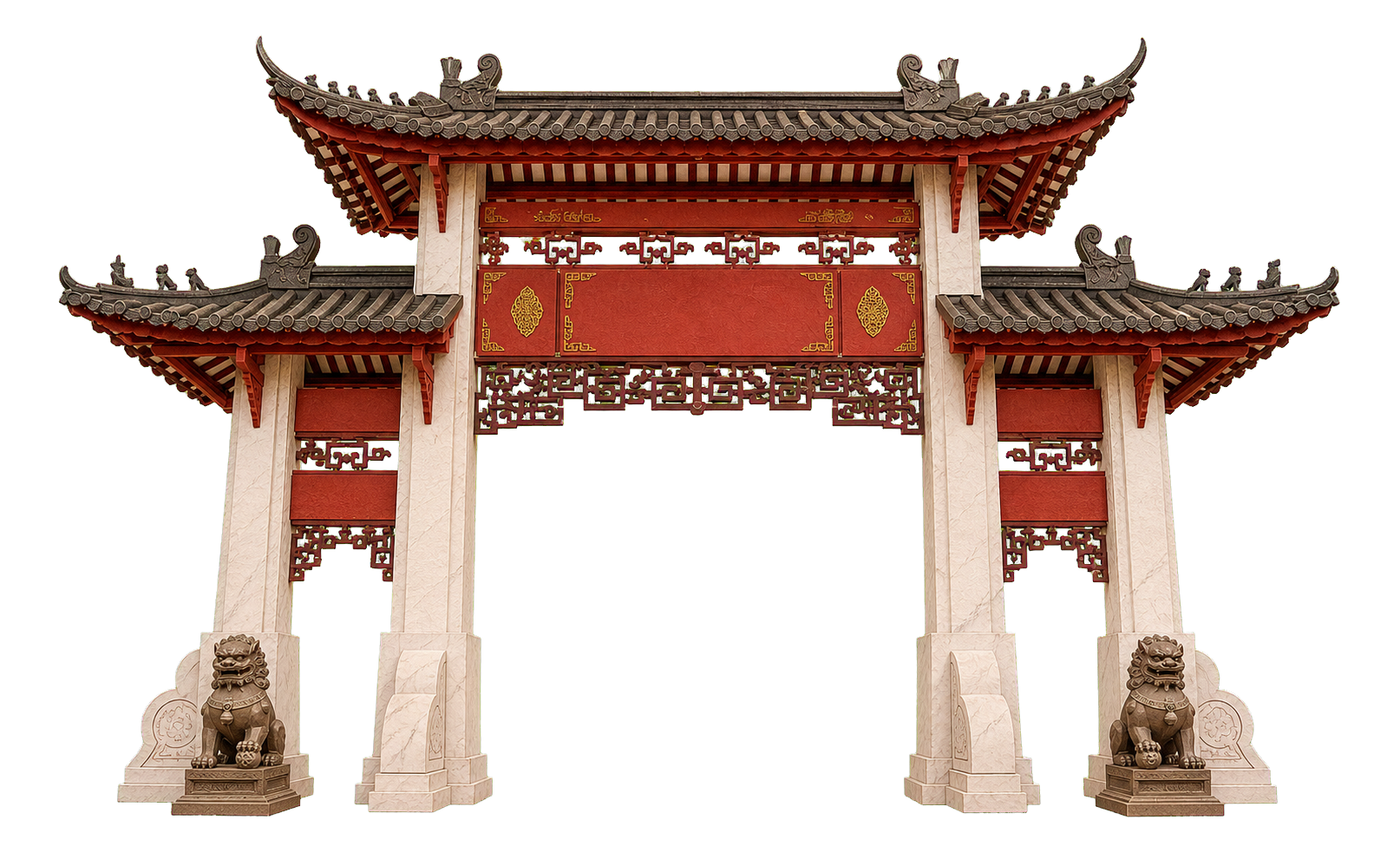
Around 35,000 people gathered for the Pai Lau opening. It made a changing Cabramatta visible.
Continue through six chaptersCabramatta is Cabrogal Country, a railway town, a postwar place of arrival and one of Australia's most recognisable migrant main streets. Its history is held in public landmarks, family businesses and everyday rituals.
years of continuing First Nations history
Cabramatta railway station opened
languages inscribed on the Pai Lau gateway
people gathered for the gateway opening
Figures are drawn from Fairfield City Council's First Nations, Cabramatta and Pai Lau heritage records.
Cabramatta is a regional destination and an everyday support system: a place to shop, work, get well, send money, meet family and begin again.
Population and language figures: ABS 2021 Census. Directory figures come from a working 466-place research dataset and require ongoing local verification.
View ABS QuickStats ↗Before the markets and the lanterns, there was Country. Every generation since has left another layer.
Cabrogal people have cared for this Country since time immemorial. Local histories document more than 30,000 years around Cabramatta Creek; the suburb's name is believed to carry that relationship with water and Country.
First Nations historyFarms, timber and a railway changed the landscape. The line opened in 1856; Cabramatta station followed in 1870, connecting a growing village to Sydney.
Cabramatta heritage record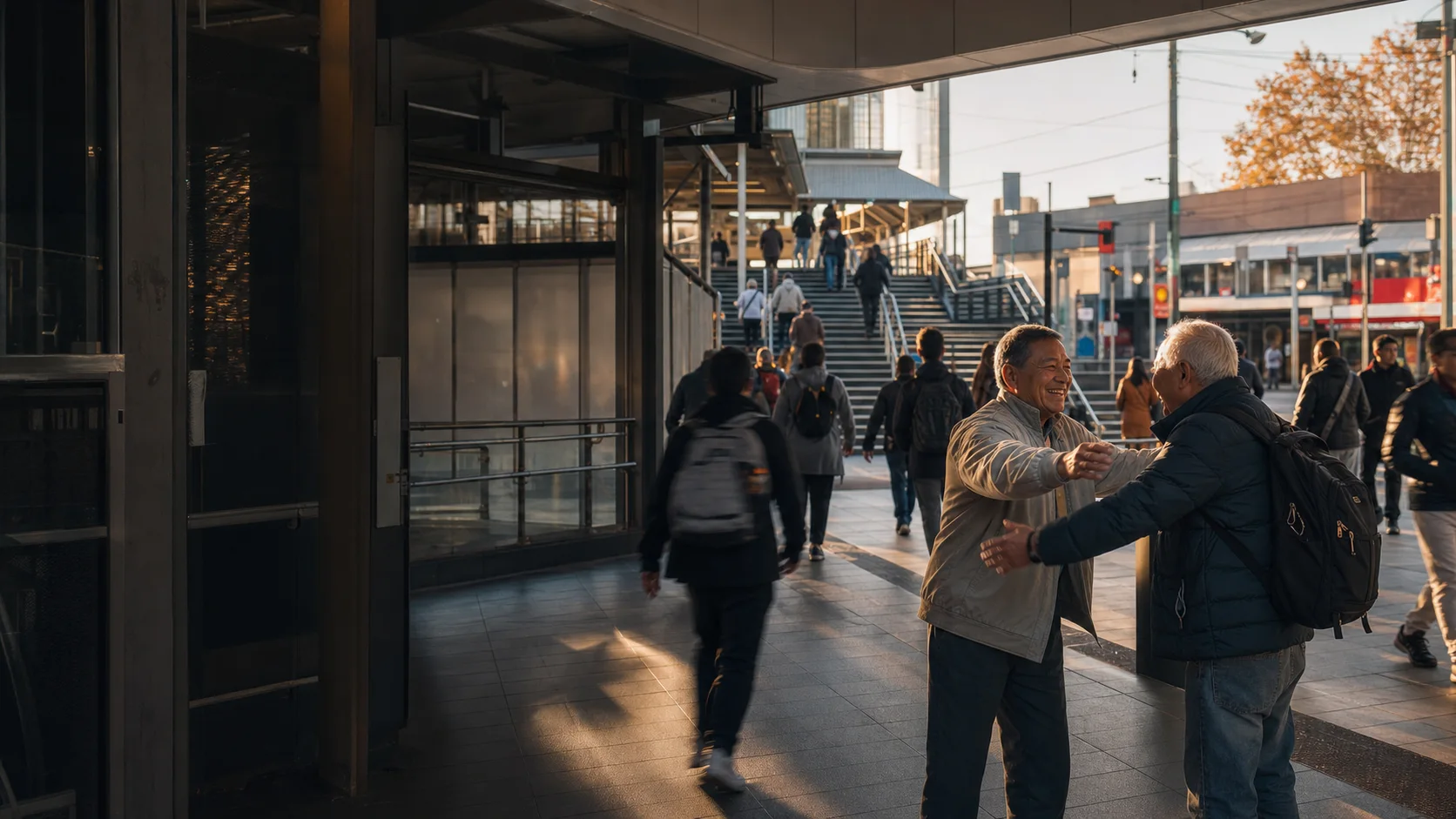
After World War II, British and European newcomers passed through the Cabramatta and Villawood migrant hostels. For many, the suburb held their first Australian home, work and friendships—and the difficulty of starting again.
Migrant hostel collection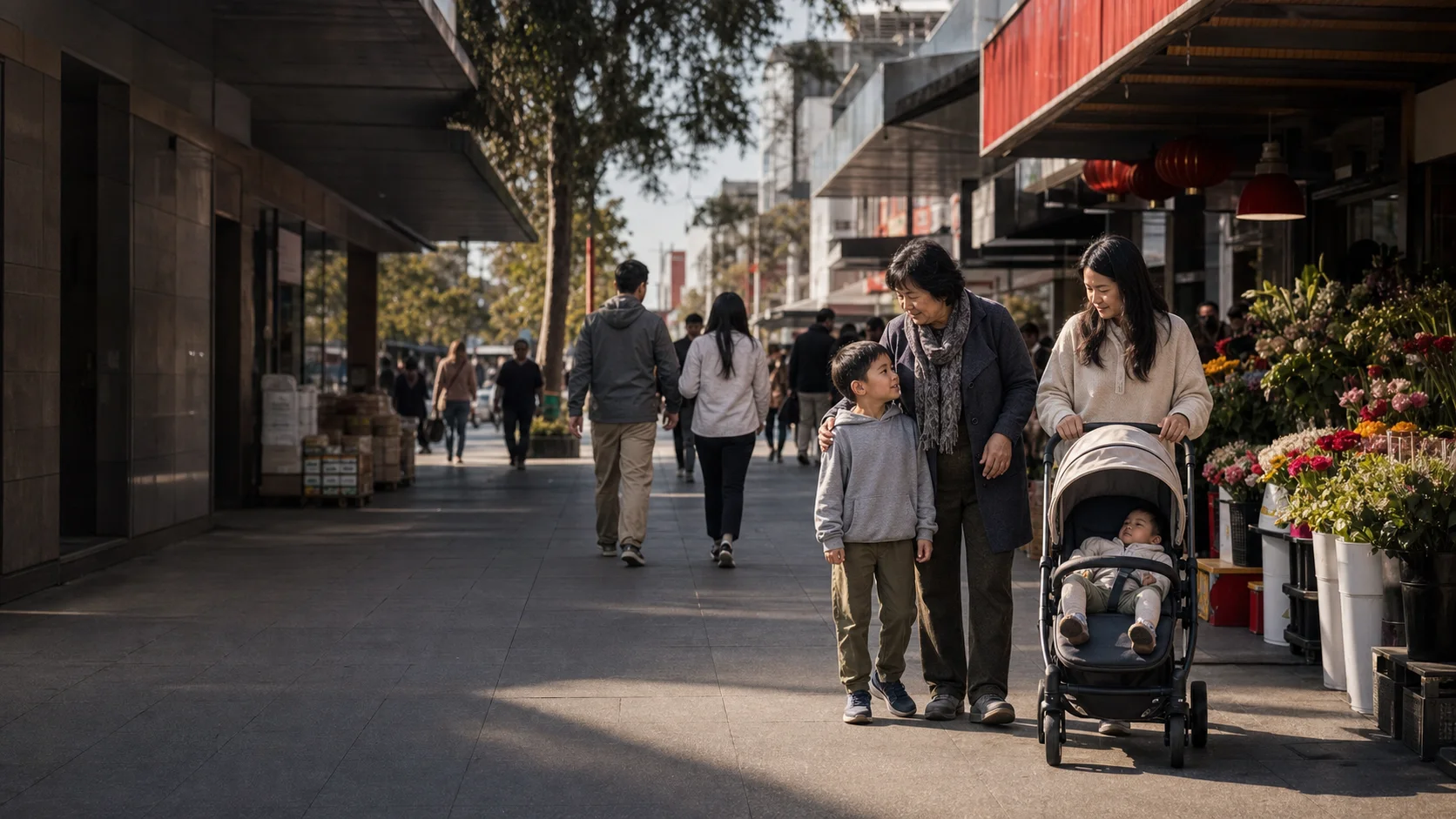
Vietnamese refugees and Cambodian and Lao communities established homes, shops and services. John Street became more than a marketplace: it became somewhere to find work, language, advice and one another.
Vietnamese migration history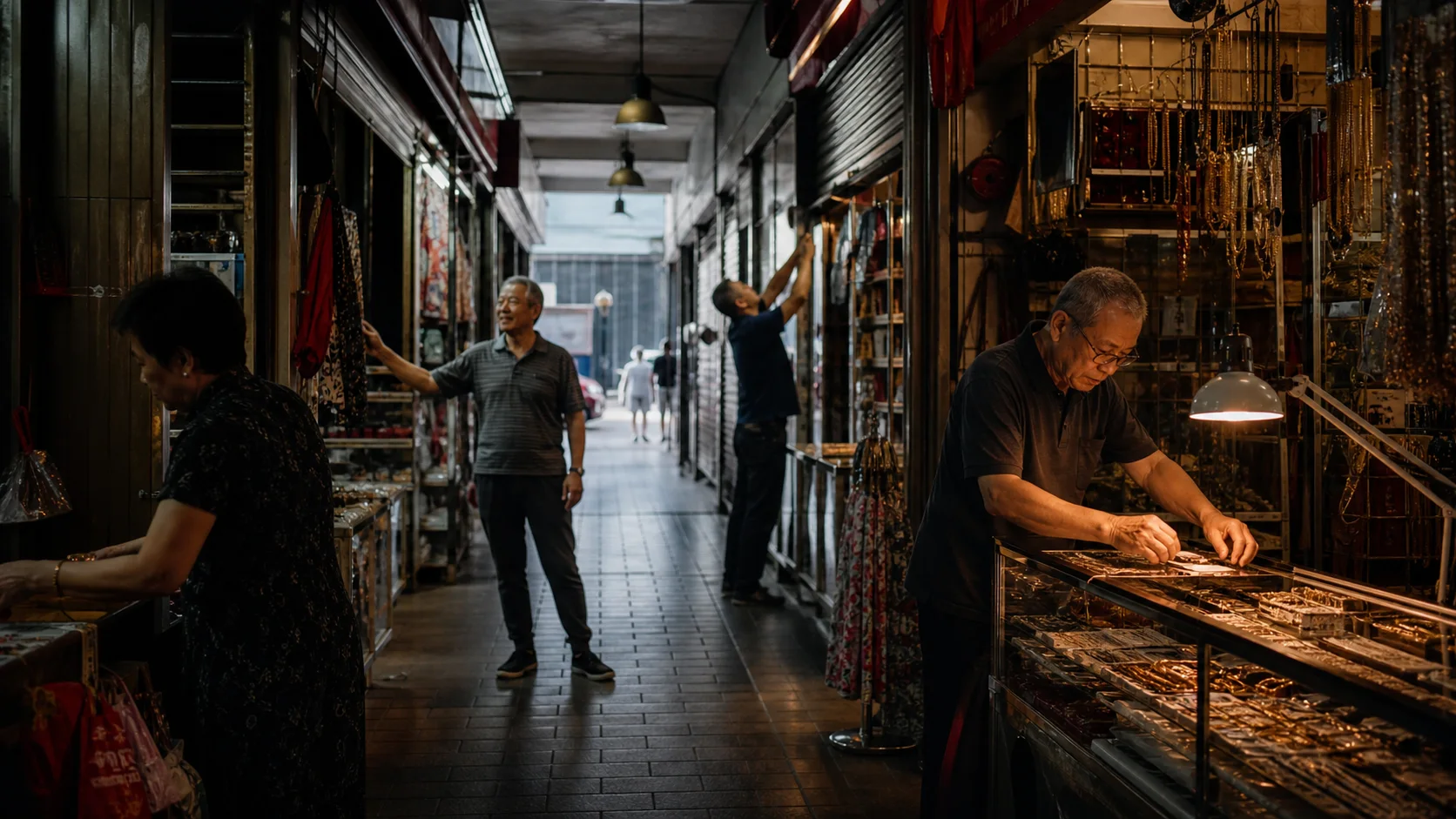
Heroin, violence and national headlines marked a painful period. Community action and public intervention helped the centre recover—but the deeper change came from residents who kept opening shops, raising families and showing up.
Local heritage overview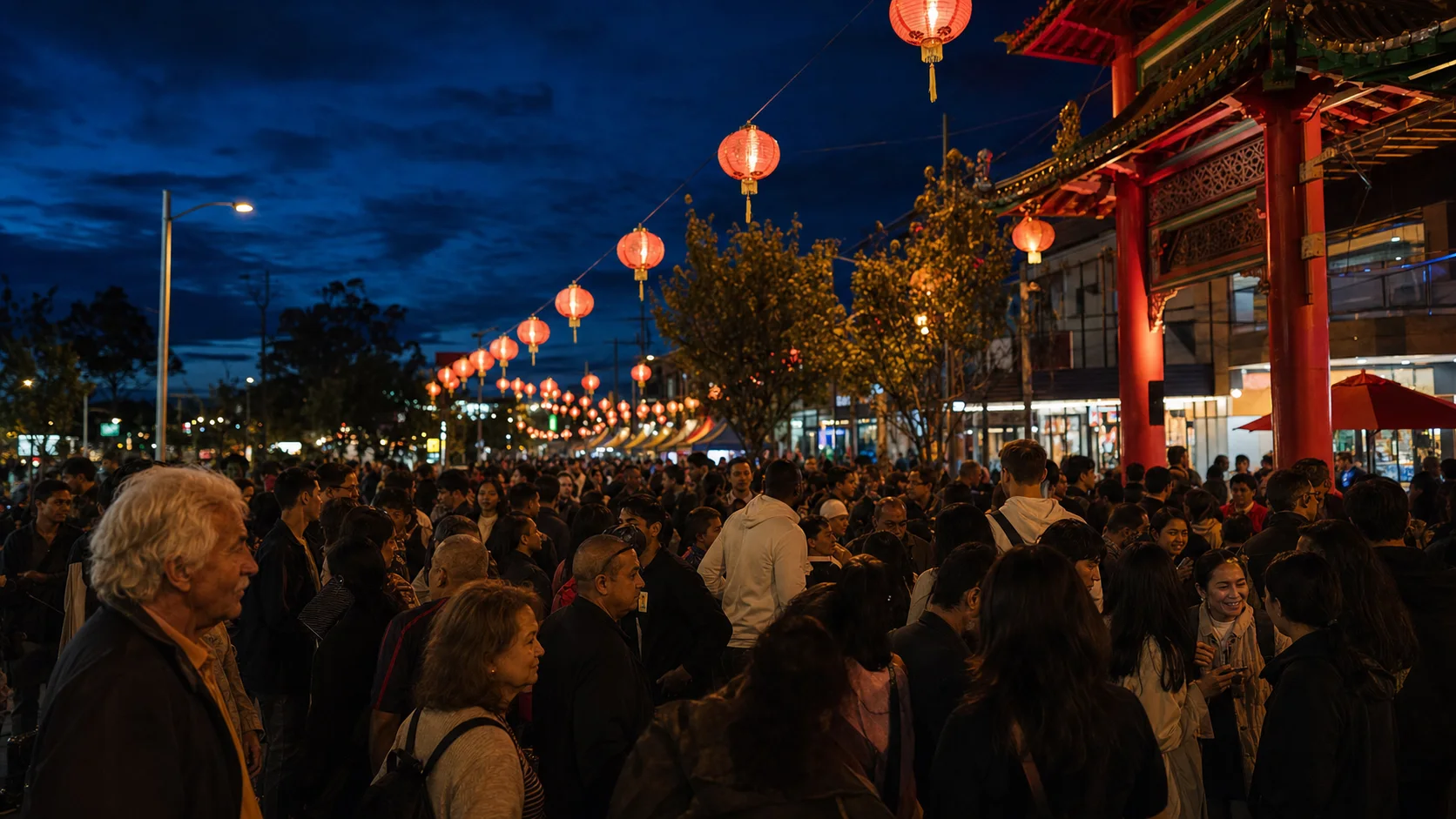
Around 35,000 people gathered for the Pai Lau gateway opening in 1989. Its inscriptions made belonging visible. New generations continue that story through business, festivals, care and public life.
Pai Lau gateway record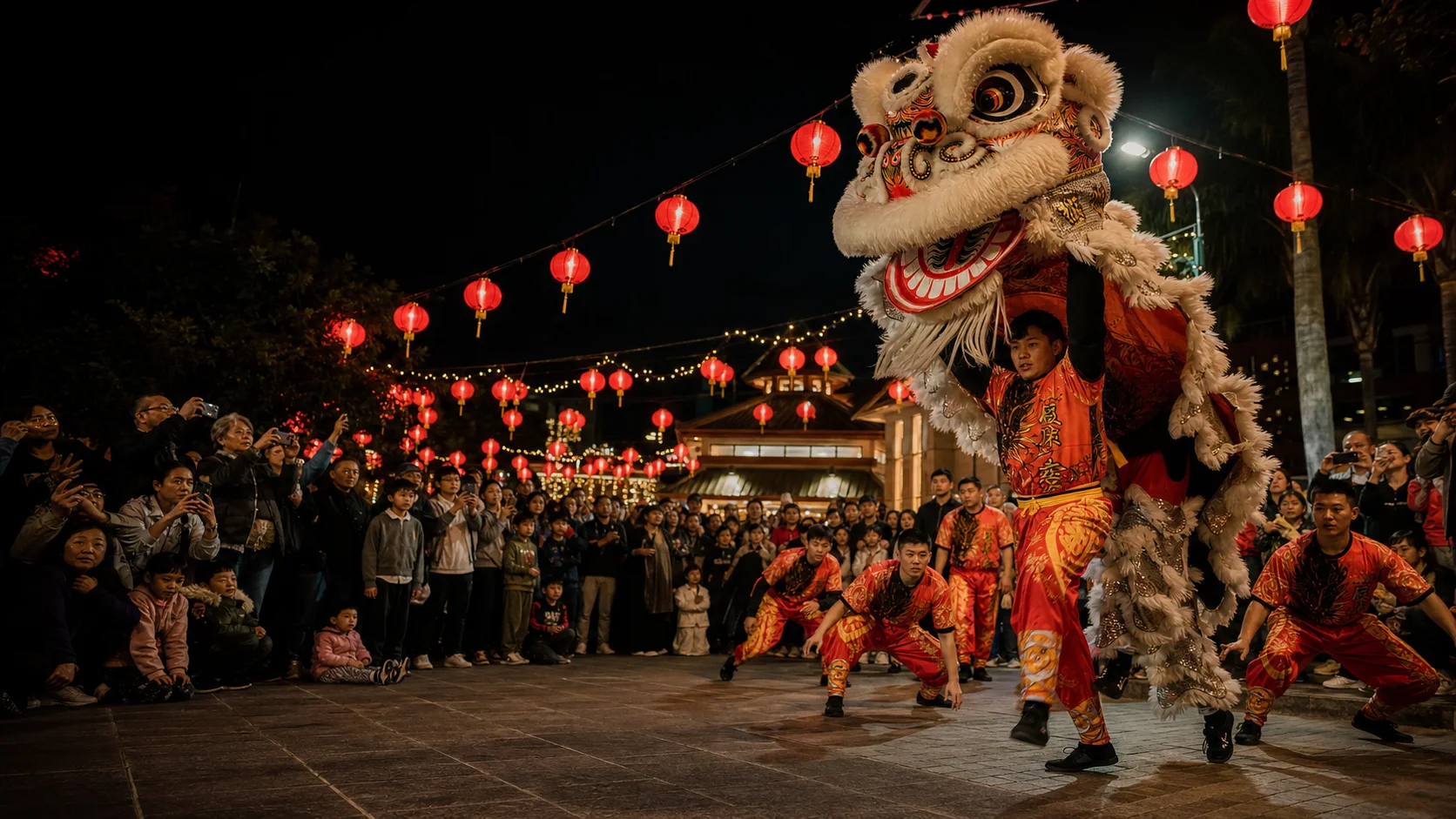
In 1993, Council's local studies team photographed John Street shop by shop. The signs, languages and crowded arcades reveal how quickly enterprise transformed the centre.
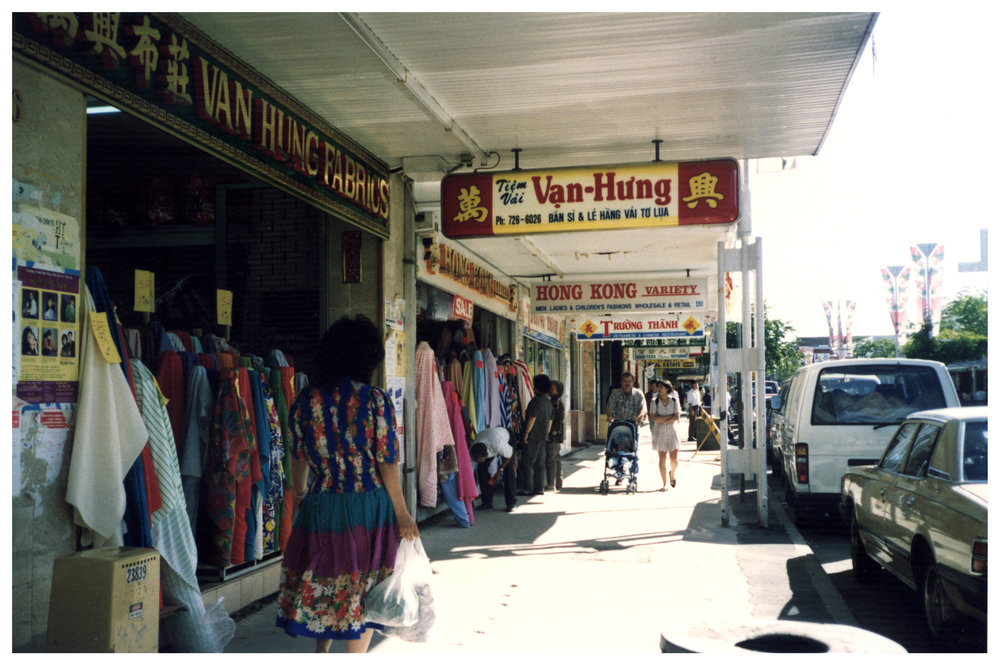
Van Hung Fabrics and Hong Kong Variety: bolts of cloth, multilingual signs and the footpath as a public meeting place.
Open archive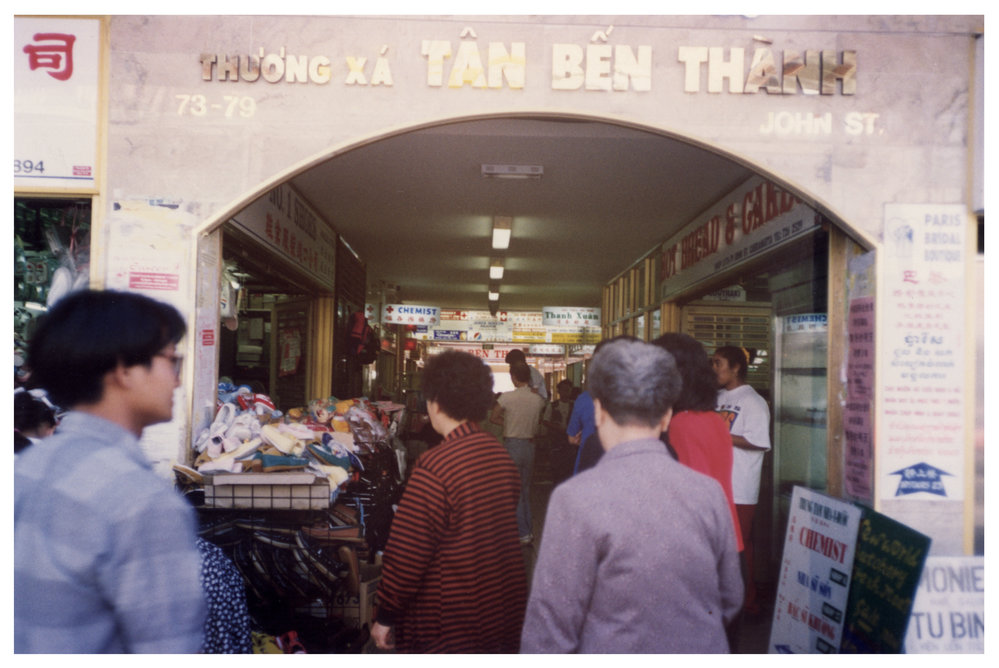
The arcade entrance was a compressed world of chemists, grocers and specialist services built around community need.
Open archiveThese are pioneering stories, not a claim to a single 'first'. Cabramatta was built by many families whose work often began before anyone thought to archive it.
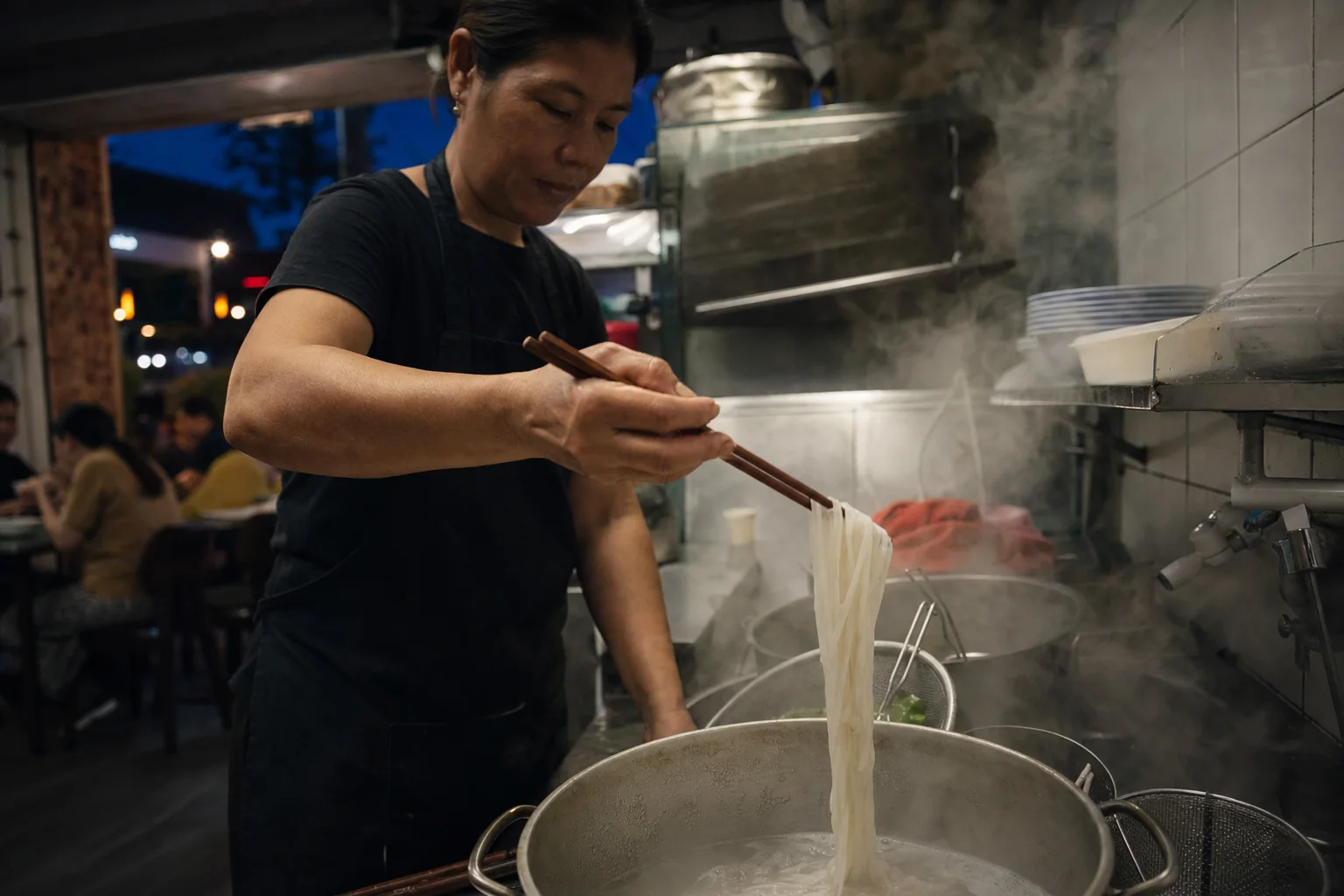
Thi Nhu Pham began serving bowls of pho from the family home before the restaurant became a Cabramatta institution. SBS records the early family enterprise behind one of the suburb's enduring food stories.
Read the story · SBS Food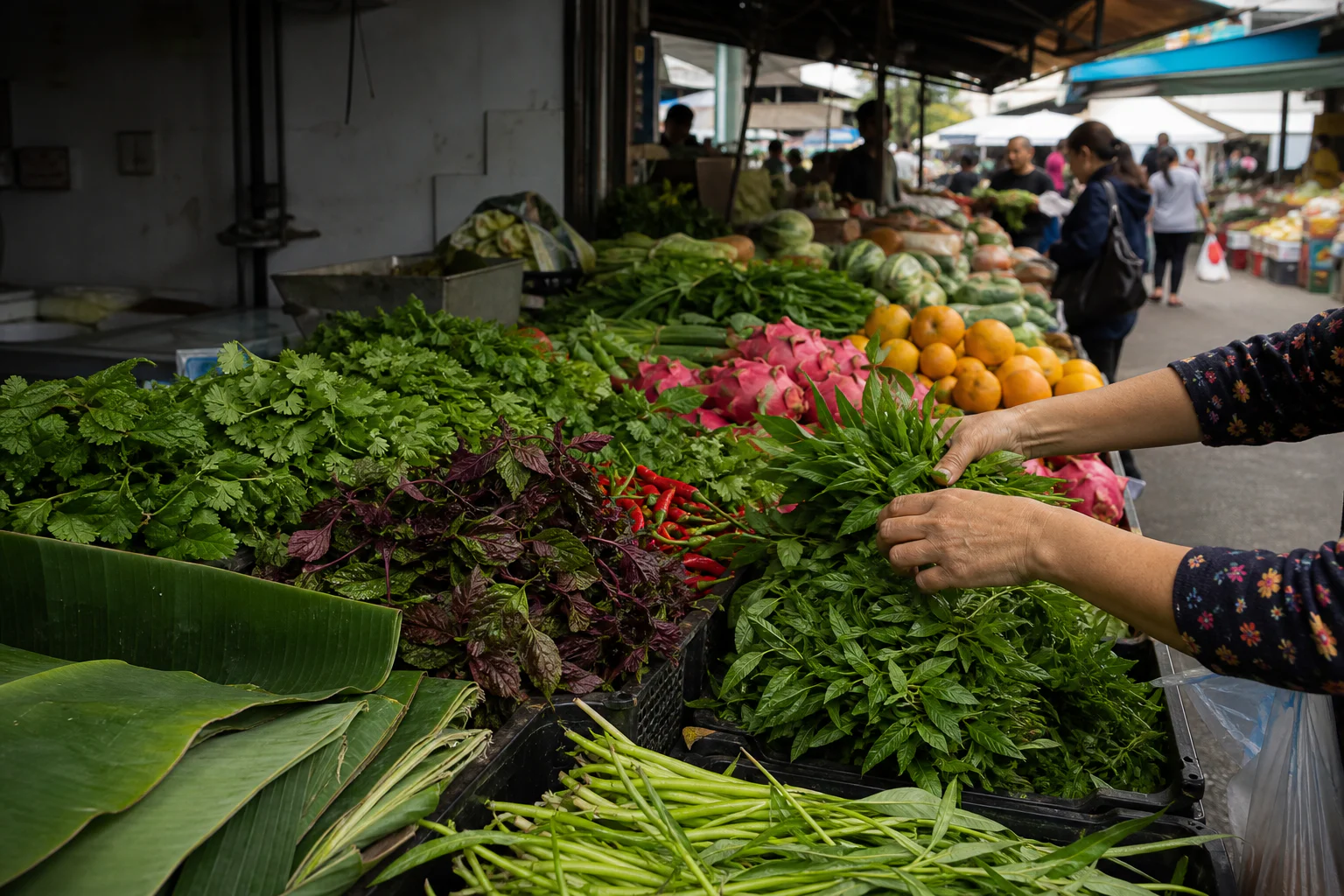
Cabramatta's grocers did more than stock shelves: they helped new arrivals find the tastes of home. SBS describes Chang Market as Australia's longest-running Thai grocery, trading here since 1985.
Read the story · SBS Thai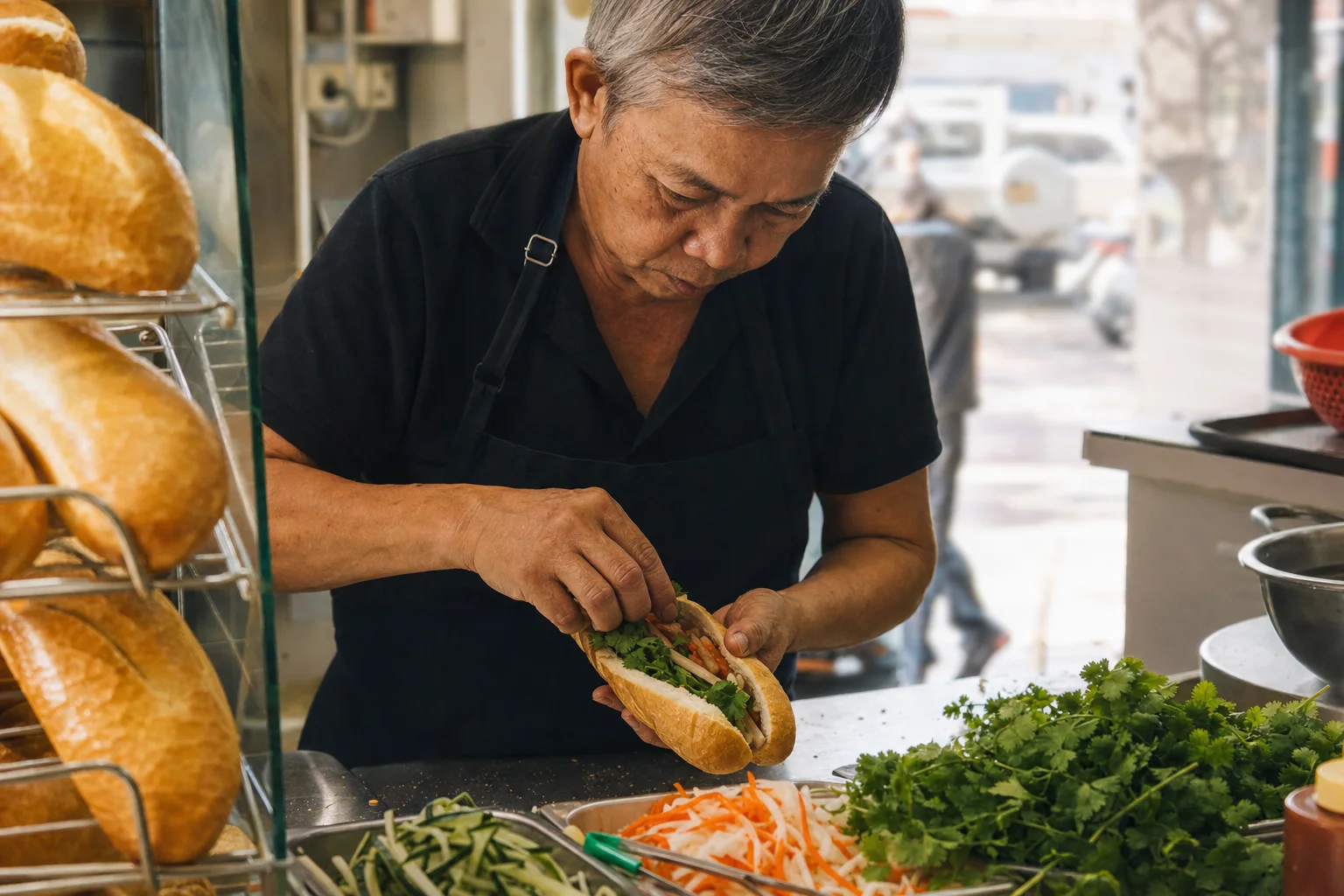
A local archive portrait records Mo Lam, then 45, operating Pho 54 after surviving the hardship of escape from Vietnam. The licensed photograph remains in the Council collection; the story belongs in Cabramatta's record.
Read the story · Fairfield City Heritage CollectionWhen the family relocated to Cabramatta, its now-famous crispy chicken had a quiet beginning. SBS reports that some early days brought orders for as few as six portions.
Read the story · SBS FoodStart at the station. Finish at the Unfold wall. Stop, eat and look up.
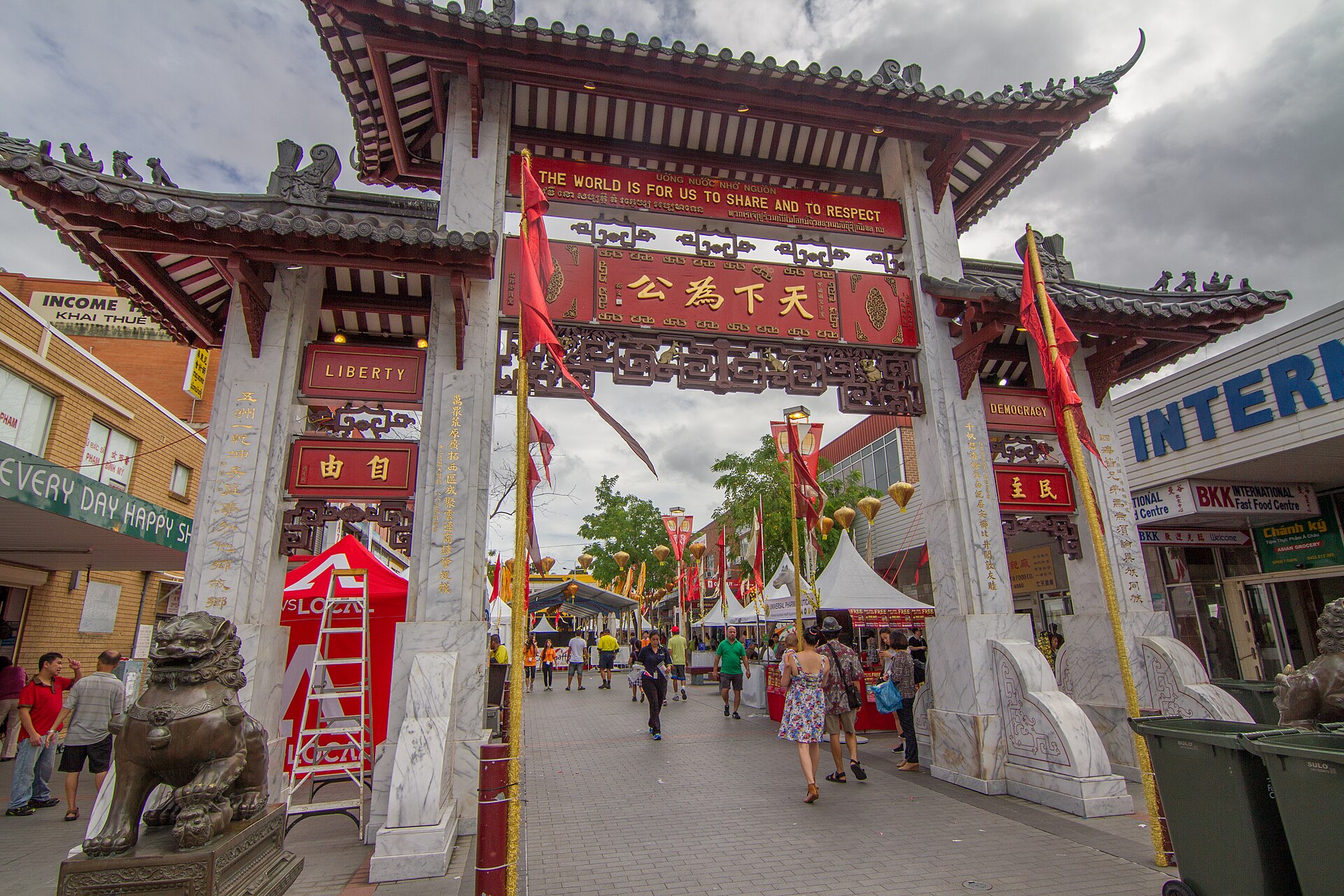
Opened in 1989, the 13-metre gateway commemorates refugees and the people who offered asylum. Its message appears in Vietnamese, English, Khmer, Lao and Chinese.
Photo: Maksym Kozlenko · Wikimedia Commons · CC BY-SA 3.0 ↗The railway arrived in 1856 and the station opened in 1870. Every later chapter—from postwar hostels to the growth of John Street—passes through this connection.
Photo: CitySider · Wikimedia Commons · CC BY-SA 2.0 ↗Begin where the village was connected to Sydney in 1870.
Open in mapsRead the awnings, arcades and shopfronts as a living migration record.
Open in mapsLook up: five languages frame Freedom Plaza and its ideals.
Open in mapsFollow Park and John Streets through the businesses that fed a community.
Open in mapsContinue the research in Fairfield City's local studies collection.
Open in mapsFinish at the public timeline in Gough Whitlam Place.
Open in maps